Fixed carbon84.4 %
Volatile matter14.6 %
Ash0.40 %
Total sulfur0.6 %
Overview
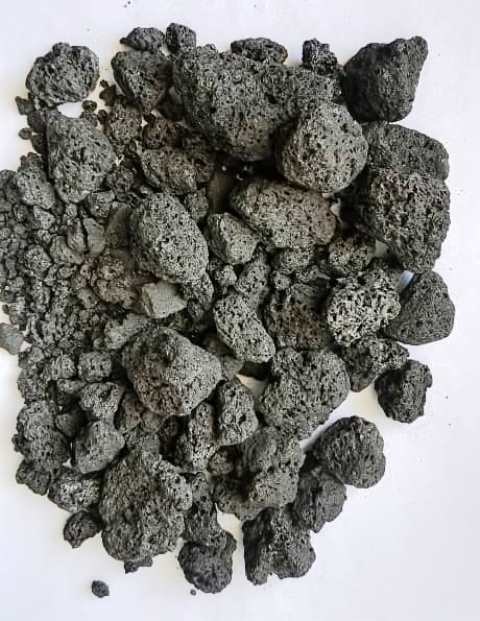
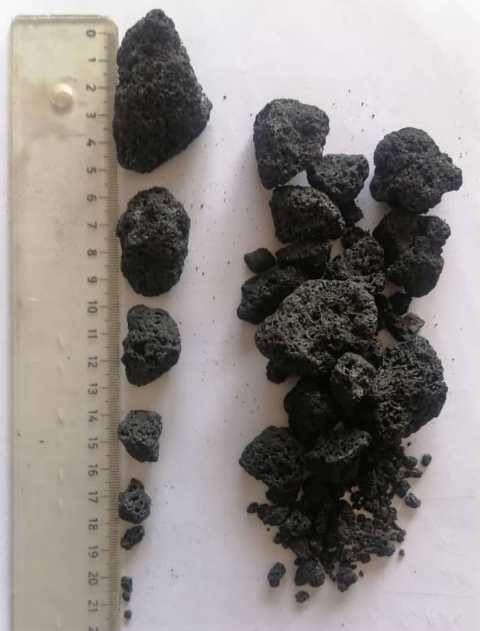
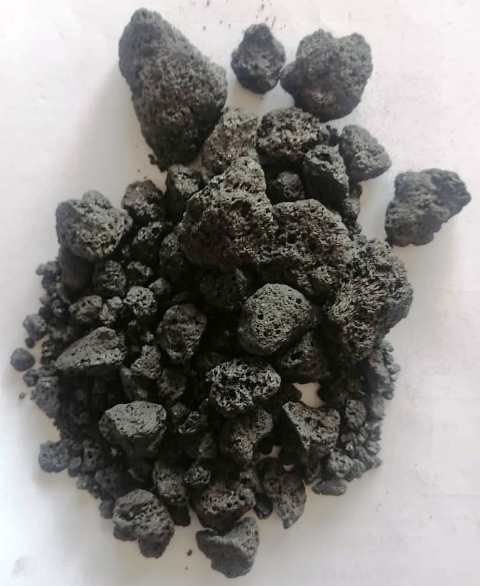
Petroleum coke is a solid, carbon-rich by-product of oil refining. It has long been used as a fuel and as an anode material in aluminium and steel production.
Turkmenistan, known for its oil and gas reserves, supplies petroleum coke from its refineries. A Turkmen refinery complex has also tested making artificial graphite and graphite items from petroleum coke, in line with the country’s aim of import substitution and higher exports.
Uses
- Fuel for heating and energy.
- Anode material for aluminium and steel production, after calcination.
- Raw material for artificial graphite and graphite items.
- Research: feedstock for graphene nanosheets by electrochemical exfoliation (needle coke is the best grade).
Calcined coke
- Calcination heats petroleum coke above 1,200 °C to remove volatile components and raise purity.
- It removes impurities such as sulfur, nitrogen and volatile hydrocarbons, so downstream products such as graphite and graphene come out cleaner.
- The high-temperature treatment rearranges the carbon structure and improves electrical conductivity.
Sample analysis
| Parameter | Method | Result |
|---|---|---|
| Volatile matter (air dried) | TDS-6382-2001 | 14.6 % (m/m) |
| Ash content | TDS-22692-77 | 0.40 % (m/m) |
| Total sulfur | TDS-8606-93 | 0.6 % (m/m) |
| Fixed carbon (as received) | ASTM D3172 | 84.4 % |
Sample analysis dated 15 March 2024. Values vary by lot; ask us for the current analysis.