Horizontal Directional Drilling (HDD)
Trenchless installation of pipelines, cables and conduits under rivers, roads and built-up areas.
Overview
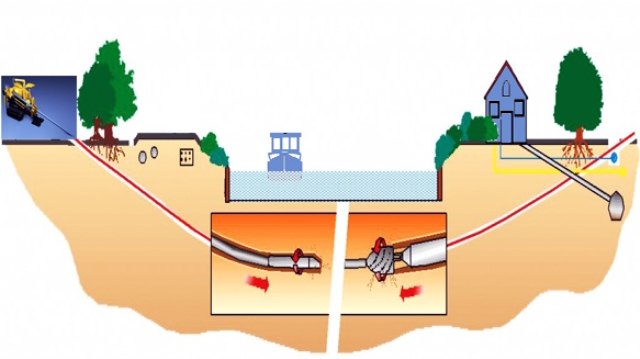
Horizontal directional drilling (HDD) is a trenchless method for installing underground utilities, pipelines and cables. Instead of digging an open trench, a drill passes beneath the obstacle and the pipeline or conduit is pulled through the hole.
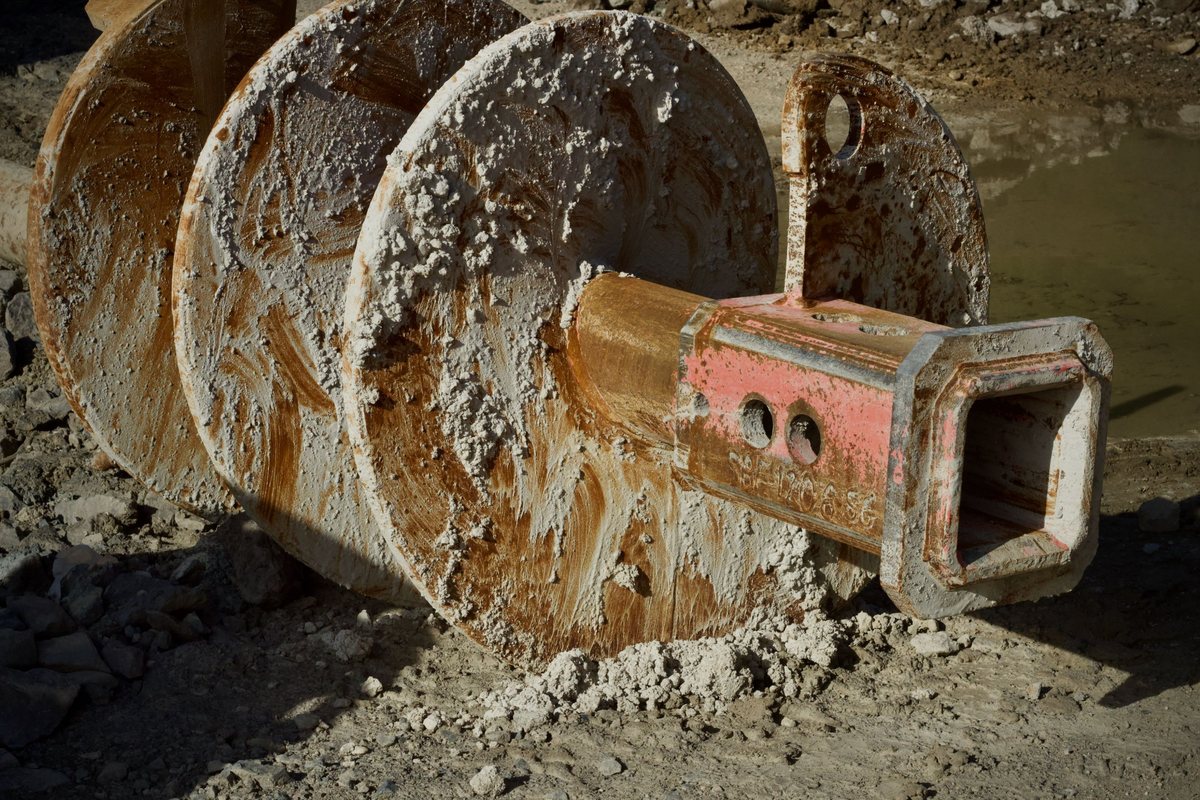
Specialised tools such as steerable drill bits and monitoring devices are attached to a drill pipe string. A small-diameter pilot hole is drilled horizontally to a precise exit point, then reamed to a larger diameter, and the pipeline is pulled into place.
Where HDD is used
- Oil and gas: pipelines cross under rivers, highways and densely built areas without disturbing the surface, with less environmental impact and lower risk of leaks or damage to existing infrastructure.
- Electrical cables and fiber optics: a safe, efficient way to lay lines without disrupting roads or landscapes.
- Water and sewer: municipal pipelines in cities where trenching is difficult because of existing structures.
- Telecommunications: communication cables laid without disturbing the surface.
What Kasra provides
- Engineering: feasibility studies, HDD route design and oversight of drilling operations, for domestic and international projects.
- Project planning and execution: plans based on soil conditions, geology and environmental impact, with coordination of drilling equipment, personnel and safety protocols.
- Quality assurance and compliance: industry standards and regulations, safety and performance requirements, and environmental guidelines.
- Logistics and supply chain: equipment procurement, transport and storage, and timely delivery of materials to site.
- Customs and documentation: customs clearance and paperwork for international projects.